For research only. Not intended for human or veterinary consumption.

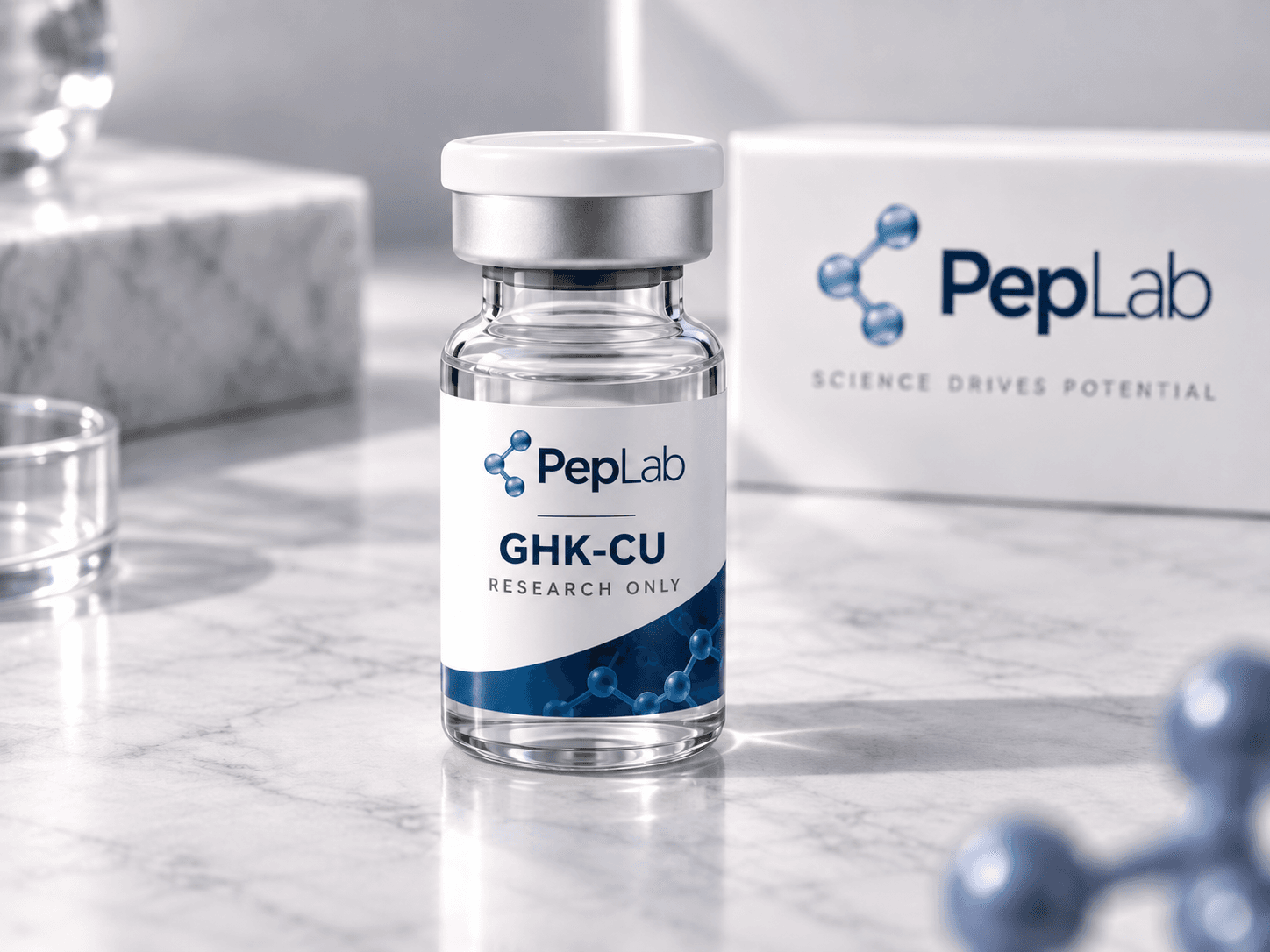
GHK-Cu (Copper Peptide) Pen

GHK-Cu is a well-known copper peptide, most frequently mentioned in the context of skin repair, tissue regeneration, and maintaining a youthful appearance. It attracts interest in both cosmetic and biomedical research due to its ability to take part in natural renewal processes. What is GHK-Cu

← Back to products

What is GHK-Cu (Copper Peptide)?

GHK-Cu is a small tripeptide bound to a copper ion, found naturally in the human body and involved in tissue renewal and cellular communication. It was initially isolated from blood plasma and later synthesized for research purposes.

In a scientific context, GHK-Cu is studied mainly in regenerative medicine, dermatology, cellular aging, and recovery processes in connective tissue.

Potential benefits of GHK-Cu (Copper Peptide) according to scientific studies

GHK-Cu is one of the most studied peptides in the scientific literature, and interest in it stems from its link to processes associated with tissue maintenance and cellular balance. The effects described below are based on published studies and experimental models.

Improved skin appearance: GHK-Cu is frequently associated with smoother, firmer, more vital-looking skin, making it especially interesting in anti-aging research.

Support for natural regenerative processes: The peptide is associated with creating a more favorable environment for renewal of cutaneous and connective tissues, which may be reflected in a visibly healthier appearance.

Stimulation of collagen synthesis: In scientific publications, GHK-Cu is analyzed in connection with processes involved in collagen synthesis and maintenance, which is essential for tissue elasticity and density.

Improved hair and scalp condition: The peptide is mentioned in studies focused on maintaining a healthy scalp environment and a better visual appearance of hair.

Antioxidant activity at the cellular level: Some research analyzes GHK-Cu’s role in relation to limiting oxidative stress, which is important for long-term tissue health.

Evening of skin tone: It is associated with a more even, fresher skin appearance, contributing to less pronounced pigmentation and reduced visibility of spots and traces of prior imperfections.

GHK-Cu (Copper Peptide) dosing in research protocols

Scientific standards require a precise and consistent approach when setting quantities used, for correct observation and reproducibility of results. In research practice, GHK-Cu is most frequently included in protocols focused on tissue maintenance and cellular processes, according to the following indicative schemes:

More moderate research approach: 300–500 mcg once daily — used as a baseline scheme for general observation of cellular adaptation and tissue response.

More common approach: 500–800 mcg per day, administered in a single dose or split into two administrations, within more structured protocols related to support of skin and connective tissues.

More intensive research approach: 1–2 mg per day, used in short-duration protocols aiming for a more pronounced, targeted influence on local tissue processes.

Duration: Cycles usually range from 4 to 8 weeks, depending on the specific protocol objectives.

Break between cycles: A break of 3–6 weeks is frequently planned before reintroducing the peptide into the research scheme.

When reconstituting GHK-Cu, bacteriostatic water is usually used. It is recommended that liquid be added slowly along the inner wall of the vial, rather than directly onto the lyophilized powder, to preserve structural stability and peptide activity.

Scientific research on GHK-Cu (Copper Peptide)

GHK-Cu is one of the best-documented peptides in the dermatological and regenerative scientific literature. Publications analyze it as a natural tripeptide (GHK) that forms a stable complex with the copper ion and thereby participates in processes associated with tissue remodeling and cellular signaling.

Some of the frequently cited publications are in the Journal of Investigative Dermatology, where GHK-Cu is studied in connection with molecules involved in skin architecture and tissue renewal processes.

The literature describes randomized, double-blind studies on external application of GHK-Cu formulations, evaluating skin surface parameters (e.g. visibility of lines/wrinkles and overall skin appearance) over a given period of use. These data are used as an argument for a real, measurable effect on outward appearance when the peptide is in an appropriate formula.

More recent reviews synthesize the accumulated data and position Copper Tripeptide-1 (GHK-Cu) as one of the most recognized peptides in topics related to skin maintenance and recovery processes.

Mechanism of action of GHK-Cu (Copper Peptide)

GHK-Cu acts as a signaling molecule that participates in intercellular communication and regulation of multiple biological processes. Binding of the GHK tripeptide to a copper ion is essential for its activity, because copper serves as a cofactor in numerous enzymatic and cellular mechanisms.

Binding and transport of copper ions: GHK can chelate copper and deliver it in a biologically active form to cells, where it participates in key enzymatic reactions.

Regulation of gene expression: Studies show that GHK-Cu can influence expression of genes associated with cell growth, recovery, and structural tissue proteins.

Activation of copper-dependent enzymes: Copper delivered via GHK-Cu participates in the activity of enzymes such as superoxide dismutase and lysyl oxidase, which play roles in antioxidant protection and structural stability of tissues.

Modulation of inflammatory signals: GHK-Cu is associated with influencing signaling pathways involved in the cellular response to stress and inflammation, without directly suppressing immune activity.

Maintenance of cellular homeostasis: Through its combined action on ionic balance, enzymatic activity, and gene regulation, the peptide contributes to a more stable, balanced cellular environment.

Possible side effects of GHK-Cu (Copper Peptide) and safety

Available information on GHK-Cu is based mainly on scientific observations and published data from research and dermatology contexts. In most cases, the peptide is described as well tolerated, and reactions are individual and usually mild and transient.

Mild redness or sensitivity at the application site.

Short-lived sensation of warmth or mild stinging.

Mild cutaneous reactivity is possible.

Transient sensation of dryness or tightness of the skin.

Comparing GHK-Cu (Copper Peptide) with other peptides

GHK-Cu differs from many other peptides through its combined structure — a peptide sequence bound to a copper ion — which gives it a specific, easily recognizable mechanism of action.

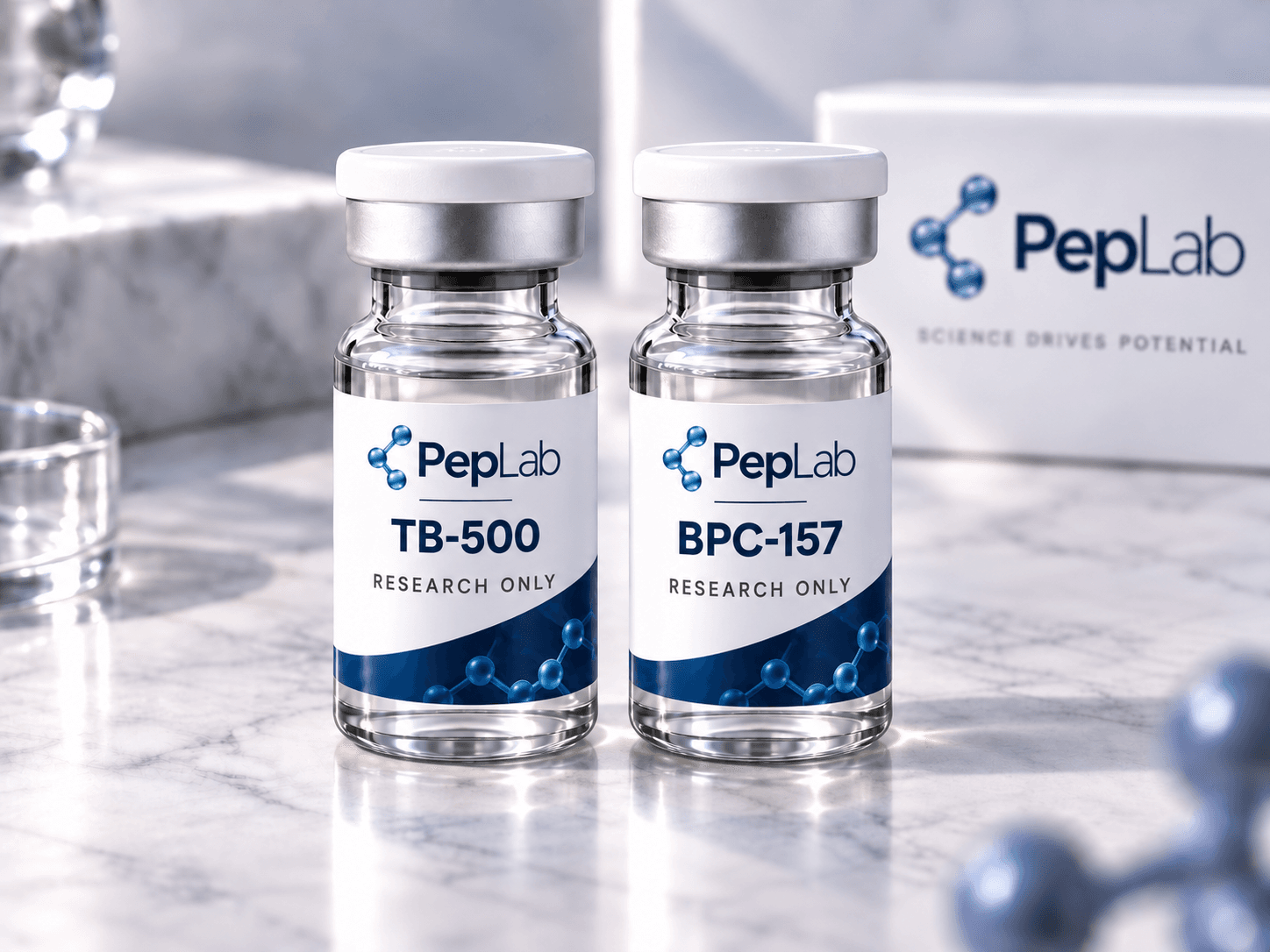
GHK-Cu compared with TB-500 (Thymosin Beta-4): TB-500 is mainly associated with cell mobilization and recovery processes in muscle and connective tissue. GHK-Cu has a more pronounced dermatological and cosmetic focus, oriented toward skin structure, texture, and long-term balance.

GHK-Cu compared with BPC-157: While BPC-157 is known for its broad research orientation toward various tissues and adaptation processes, GHK-Cu is more specialized and is analyzed mainly as a tool for researching skin, connective tissue, and local regulatory mechanisms.

GHK-Cu compared with Epitalon: Epitalon is researched in the context of cellular aging and systemic biological regulation, while GHK-Cu is more often used to analyze local tissue changes and maintain the structural integrity of the skin.

Frequently asked questions (FAQ) about GHK-Cu (Copper Peptide)

What is the main reason GHK-Cu is so widely used in skin research?

The peptide stands out through its natural origin and ability to participate in processes related to skin structure and balance, making it especially interesting in dermatological and anti-aging contexts.

Is GHK-Cu suitable for prolonged research cycles?

In scientific practice, GHK-Cu is frequently included in cyclic protocols, and breaks between periods are planned to evaluate tissue response and adaptation.

What is the role of copper in the structure of GHK-Cu?

The copper ion is a key component that enables the peptide to participate in enzymatic and cellular processes not characteristic of peptides without a metal cofactor.

Can GHK-Cu be combined with other peptides in research protocols?

Yes, under research conditions it is often analyzed in combination with peptides that have different mechanisms of action, within clearly defined objectives and controlled conditions.

What are the most common reasons for choosing GHK-Cu over other peptides for skin?

The choice is usually due to good tolerability, rich scientific documentation, and its specific focus on skin and connective tissue.

Disponibil
GHK-Cu (Copper Peptide) Pen

GHK-Cu (Copper Peptide) Pen

FavouriteShare

de la 319 RON

Categorii: Regenerare & Recuperare

Pret unitar

319 RON

Subtotal

319 RON

Varianta

Reducere automata la cantitate

La 3 bucati primesti -8%, la 5 bucati primesti -12%, la 10 bucati primesti -25%.

Disclaimer

Acest produs este destinat exclusiv scopurilor de cercetare. Nu este destinat consumului uman sau veterinar. Prin achizitionarea acestui produs, confirmati ca aveti peste 18 ani si ca il veti utiliza exclusiv in scopuri de cercetare.

Confirm ca am cel putin 18 ani, ca sunt un utilizator calificat de cercetare si inteleg ca produsele sunt destinate exclusiv cercetarii de laborator in vitro, nu pentru consum uman sau veterinar.

Livrare rapida in toata tara

Estimare 1–3 zile

Plata ramburs la livrare

Cea mai sigura metoda de plata in Romania

We have the perfect resource for dual-cartridge pens!

Open pen guide

Related products

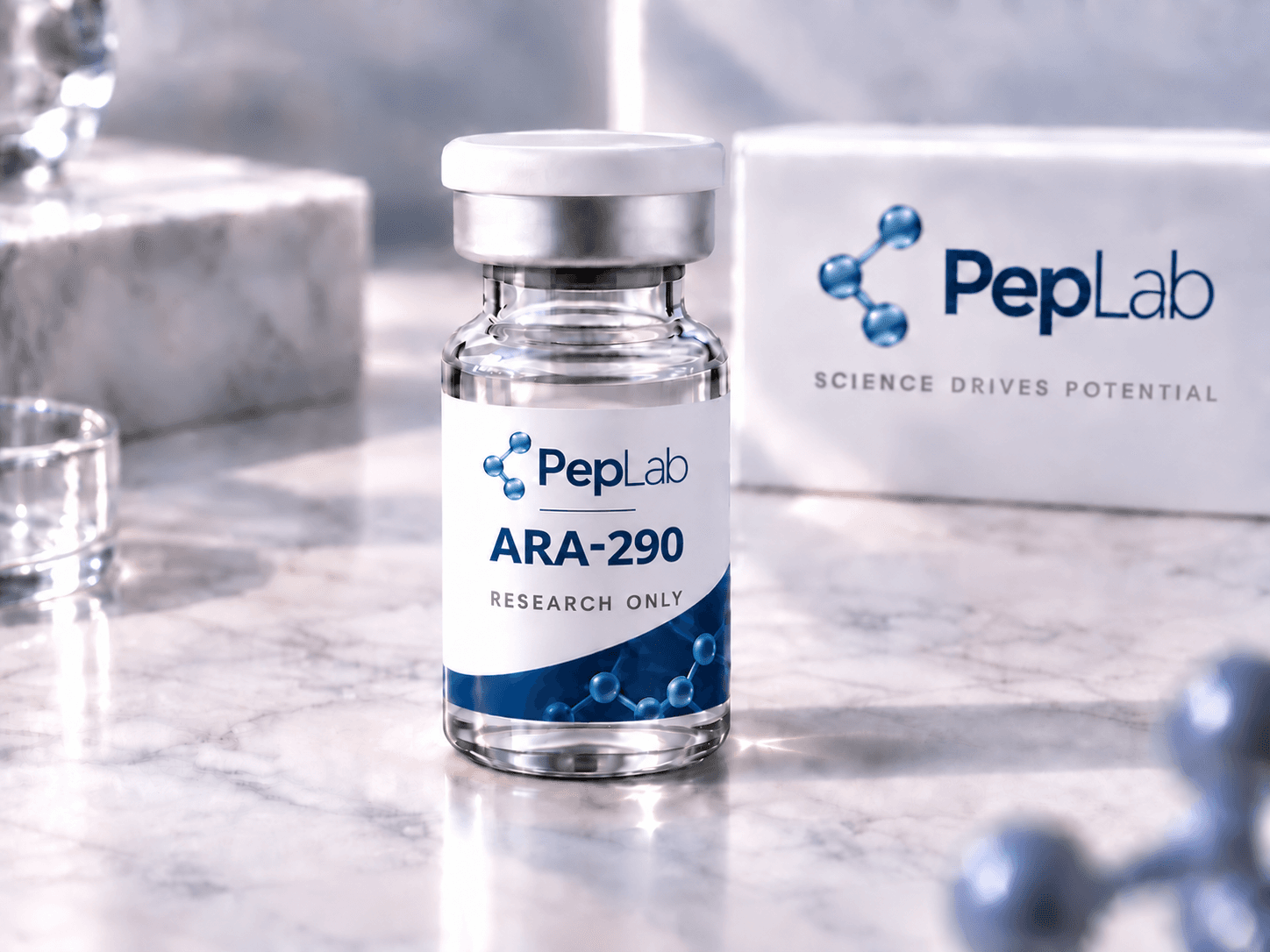
ARA-290flacon

ARA-290

ARA-290 este un peptid dezvoltat ca formă modificată a unui fragment de eritropoietină, care păstrează proprietăți biologice specifice fără a activa efectele eritropoietice clasice. Acesta este utilizat în protocoale orientate către procese legate de semnalizarea neuronală, echilibrul inflamator și protecția tisulară.

De la 239 RON

KLOW Blend (Pen)penStoc aproape epuizat

KLOW Blend (Pen)

Klow Blend este un blend peptidic complex, creat cu accent pe recuperare, regenerare și menținerea echilibrului tisular pe mai multe niveluri. Acesta combină peptide bine cunoscute din practica de cercetare, care sunt adesea analizate în contextul vindecării, proceselor antiinflamatorii și reînnoirii celulare. Interesul pentru acest blend provine din spectrul său larg de acțiune și din posibilitatea de a fi utilizat în protocoale de recuperare mai complete.

De la 1.039 RON

BPC-157  + TB-500flacon

BPC-157 + TB-500

BPC-157 + TB-500 is a peptide blend that combines two peptides studied extensively in the context of tissue recovery and adaptation to physical effort. This combination is of interest because it brings together local and systemic regulatory mechanisms, making it a subject of interest in more complex recovery protocols.

De la 249 RON

GHK-Cu (Copper Peptide)flacon

GHK-Cu (Copper Peptide)

GHK-Cu is a well-known copper peptide, most frequently mentioned in the context of skin repair, tissue regeneration, and maintaining a youthful appearance. It attracts interest in both cosmetic and biomedical research due to its ability to take part in natural renewal processes. What is GHK-Cu

De la 319 RON

Cart (0)

Your cart is empty.

View products