5-Amino-1MQ is a small-molecule synthetic compound that does not belong to classic peptides, but is considered a selective inhibitor of the enzyme NNMT (nicotinamide N-methyltransferase). It was developed within scientific programs aimed at better understanding metabolic processes and regulation of energy balance in the body. In a research context, 5-Amino-1MQ is studied mainly in metabolism, body composition, and cellular energy regulation.
5 - Amino - 1mq
5-Amino-1MQ is a compound studied for its role in metabolism, body composition, and energy balance. Interest in it comes from the fact that it was created to influence specific cellular processes involved in accumulation and regulation of adipose tissue.
← Back to products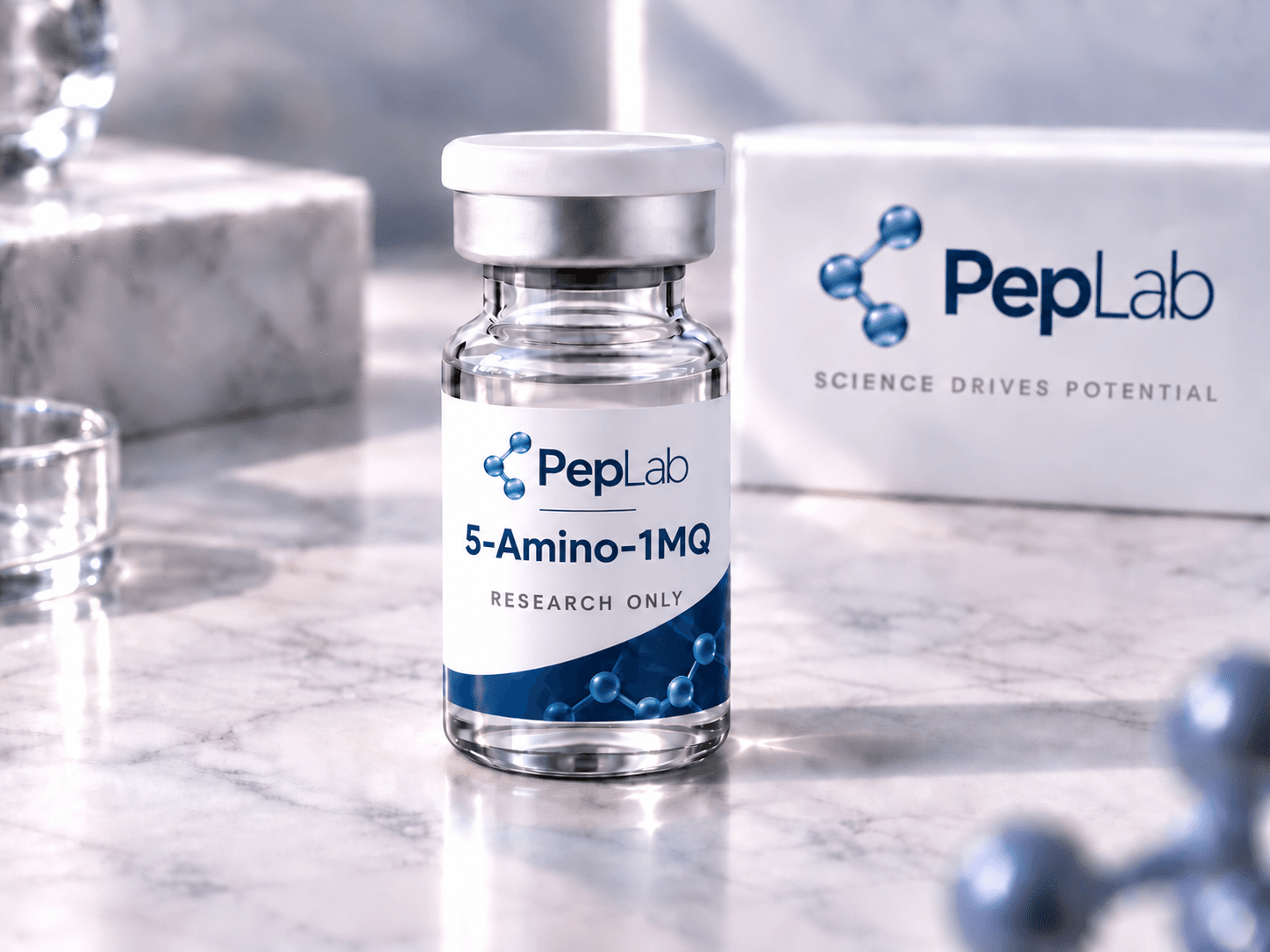
What is MOTS-c?
Potential benefits of 5-Amino-1MQ according to scientific studies
GHK-Cu is one of the most studied peptides in the scientific literature, and interest in it stems from its link to processes associated with tissue maintenance and cellular balance. The effects described below are based on published studies and experimental models.
Improved skin appearance: GHK-Cu is frequently associated with smoother, firmer, more vital-looking skin, making it especially interesting in anti-aging research.
Support for natural regenerative processes: The peptide is associated with creating a more favorable environment for renewal of cutaneous and connective tissues, which may be reflected in a visibly healthier appearance.
Stimulation of collagen synthesis: In scientific publications, GHK-Cu is analyzed in connection with processes involved in collagen synthesis and maintenance, which is essential for tissue elasticity and density.
Improved hair and scalp condition: The peptide is mentioned in studies focused on maintaining a healthy scalp environment and a better visual appearance of hair.
Antioxidant activity at the cellular level: Some research analyzes GHK-Cu’s role in relation to limiting oxidative stress, which is important for long-term tissue health.
Evening of skin tone: It is associated with a more even, fresher skin appearance, contributing to less pronounced pigmentation and reduced visibility of spots and traces of prior imperfections.
5-Amino-1MQ dosing in research protocols
Scientific standards require a precise approach when setting quantities, for objectivity and reproducibility of results. In practice, 5-Amino-1MQ is used within experimental and research protocols, and doses are chosen according to protocol objectives and duration. The most commonly encountered indicative research schemes include:
More moderate approach: 5–10 mg once daily — used as an initial scheme for general observation of metabolic processes and energy balance.
More common approach: 10–15 mg per day, split into two administrations (morning and evening). This scheme is often mentioned in the context of a stronger research focus on body composition and metabolic regulation.
Administration frequency: Daily administration, usually 1–2 times per day.
Duration: Cycles most frequently range from 4 to 8 weeks, with a planned break of 2–4 weeks between protocols.
When reconstituting 5-Amino-1MQ, bacteriostatic water or another solvent suitable for laboratory purposes is usually used. Appropriate practice is to add liquid carefully, without shaking, to preserve compound stability during use.
Scientific research on 5-Amino-1MQ
5-Amino-1MQ is the subject of numerous scientific studies focused on inhibition of the enzyme NNMT (nicotinamide N-methyltransferase) and its influence on metabolic processes, NAD+ regulation, and energy balance. This research appears in various peer-reviewed publications and scientific sources, including journals focused on metabolic regulation and enzyme biochemistry.
Mechanistic biochemical studies: In literature data, 5-Amino-1MQ is characterized as a selective NNMT inhibitor with potency in the low micromolar range (IC₅₀ ~1.2–2.3 µM), demonstrating effects on levels of metabolites such as NAD+, SAM, and 1-MNA in experimental models.
Studies on metabolism at the cellular level: Publications describe that when adipocytes are treated with 5-Amino-1MQ, a significant reduction of the NNMT product (1-MNA) and an intracellular increase in NAD+ are observed, indicating a direct effect on metabolic pathways.
Models of energy regulation and muscle function: Recent data published in Scientific Reports show that NNMT inhibition by 5-Amino-1MQ may contribute to increased muscle strength and more sustained physical performance in models where it is combined with physical activity, with effects differing from those of exercise alone.
Metabolic and energy-regulation research programs: Scientific publications and reviews on the role of NNMT discuss 5-Amino-1MQ in the context of metabolic research, including influence on lipogenesis, insulin sensitivity, and broader changes in cellular energy balance.
Applicability across a broad spectrum of studies: Although there are no widely available phase 1 or 2 clinical trials, 5-Amino-1MQ has been used as a tool for studying metabolic mechanisms and energy regulation in various systems, and results of these studies are often cited in scientific review-type discussions of NNMT biology.
Mechanism of action of 5-Amino-1MQ
The mechanism of action of 5-Amino-1MQ is linked to its selective interaction with the enzyme NNMT (nicotinamide N-methyltransferase) — a key regulator in metabolic processes and cellular energy balance. Instead of acting through hormonal or receptor-mediated pathways, the compound directly influences enzymatic activity at the cellular level.
NNMT inhibition: 5-Amino-1MQ binds to the active site of NNMT and limits its function, leading to alteration of nicotinamide metabolism.
Modulation of NAD+ metabolism: By limiting NNMT activity, levels and utilization of NAD+ — a molecule with a key role in cellular energy regulation — are influenced.
Influence on the SAM/SAH balance: NNMT inhibition alters the ratio between S-adenosylmethionine (SAM) and S-adenosylhomocysteine (SAH), which is important for methylation processes in the cell.
Indirect influence on energy expenditure: Through changes produced in energy and methylation pathways, 5-Amino-1MQ influences how cells manage and distribute energy resources.
This clear, targeted mechanism makes 5-Amino-1MQ a subject of growing scientific interest in research focused on metabolic regulation and cellular energy homeostasis.
Possible side effects of 5-Amino-1MQ and safety
Available information on 5-Amino-1MQ is based on observations from scientific studies and experimental protocols, and reactions may vary according to individual characteristics. The effects described are generally mild and transient, especially within a careful, structured research approach.
Mild gastric discomfort: A sensation of heaviness or short-lived discomfort is possible, most frequently in the initial period.
Temporary fatigue or weakness: Some observations describe a transient reduction in energy that diminishes with adaptation.
Mild headache: Occurs rarely and usually has short duration.
Individual sensitivity: Reactions may vary depending on metabolism and individual tolerance.
Product quality, correct storage, and adherence to appropriate research protocols are key factors for predictable behavior and good tolerability.
Comparing 5-Amino-1MQ with other peptides and compounds
5-Amino-1MQ differs from most known peptides and metabolic molecules through its non-hormonal mechanism of action, oriented toward enzymatic regulation of energy balance. This positions it as a separate category in research on body composition and metabolism.
5-Amino-1MQ compared with GLP-1 peptides (for example Semaglutide and Retatrutide): While GLP-1 peptides act mainly through appetite suppression and hormonal signaling, 5-Amino-1MQ does not directly influence hunger centers. Its effect is oriented toward intracellular metabolic pathways and energy regulation, which represents a completely different research approach.
5-Amino-1MQ compared with CJC-1295: CJC-1295 influences growth hormone release and is oriented toward the hormonal axis, while 5-Amino-1MQ has no connection to GH or IGF-1 pathways. This places them in completely different categories in terms of mechanism and application.
5-Amino-1MQ compared with MOTS-c: MOTS-c is a mitochondrially encoded peptide studied in connection with cellular energy efficiency. 5-Amino-1MQ, in turn, influences energy balance through regulation of NAD+ and methylation processes, not through direct mitochondrial signaling.
Frequently asked questions (FAQ) about 5-Amino-1MQ
What differentiates 5-Amino-1MQ from other metabolic peptides?
5-Amino-1MQ differs in that it does not act hormonally, but is oriented toward a specific enzyme (NNMT) involved in regulating cellular metabolism and energy balance.
Is 5-Amino-1MQ suitable for research protocols related to body composition?
Yes, it is often analyzed in a research context oriented toward metabolic adaptation and body-composition control, due to how it influences energy processes.
Is 5-Amino-1MQ a compound with hormonal activity?
No, 5-Amino-1MQ does not interact with hormonal receptors and does not influence hormonal secretion. Its action is limited to enzymatic and metabolic regulation.
How long are research cycles with 5-Amino-1MQ usually?
In practice, protocols most frequently last between 4 and 8 weeks, usually with a break period planned between cycles.
Can 5-Amino-1MQ be combined with other research molecules?
Yes, 5-Amino-1MQ is sometimes included in combined protocols, and choice of combinations is determined by its mechanism of action and observation objectives.
Disponibil
Pret unitar
449 RON
Subtotal
449 RON
Varianta
Reducere automata la cantitate
La 3 bucati primesti -8%, la 5 bucati primesti -12%, la 10 bucati primesti -25%.
Disclaimer
Acest produs este destinat exclusiv scopurilor de cercetare. Nu este destinat consumului uman sau veterinar. Prin achizitionarea acestui produs, confirmati ca aveti peste 18 ani si ca il veti utiliza exclusiv in scopuri de cercetare.
Confirm ca am cel putin 18 ani, ca sunt un utilizator calificat de cercetare si inteleg ca produsele sunt destinate exclusiv cercetarii de laborator in vitro, nu pentru consum uman sau veterinar.
Livrare rapida in toata tara
Estimare 1–3 zile
Plata ramburs la livrare
Cea mai sigura metoda de plata in Romania
We have the perfect resource for reconstitution!
Go to the calculatorRelated products
 flacon
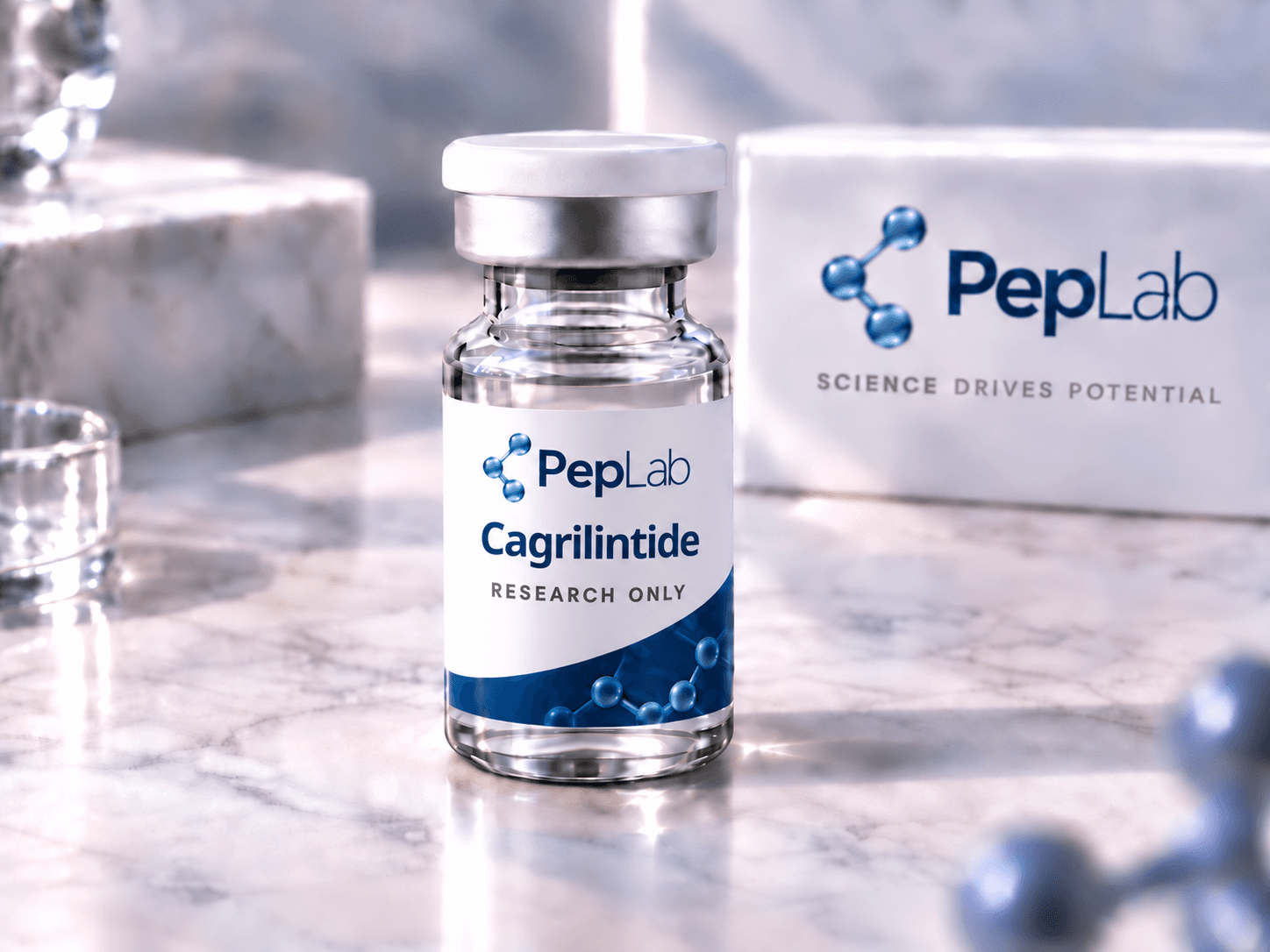
Cagrilintide (Cagrilintida)
Cagrilintide este un peptid asociat în principal cu cercetările asupra reglării apetitului și controlului greutății corporale. Acesta atrage atenția ca o nouă abordare pentru influențarea semnalelor de sațietate, diferită de peptidele incretinice clasice. Interesul față de el crește mai ales în contextul protocoalelor metabolice combinate și al strategiilor moderne de gestionare a greutății.
De la 419 RON
 penStoc aproape epuizat
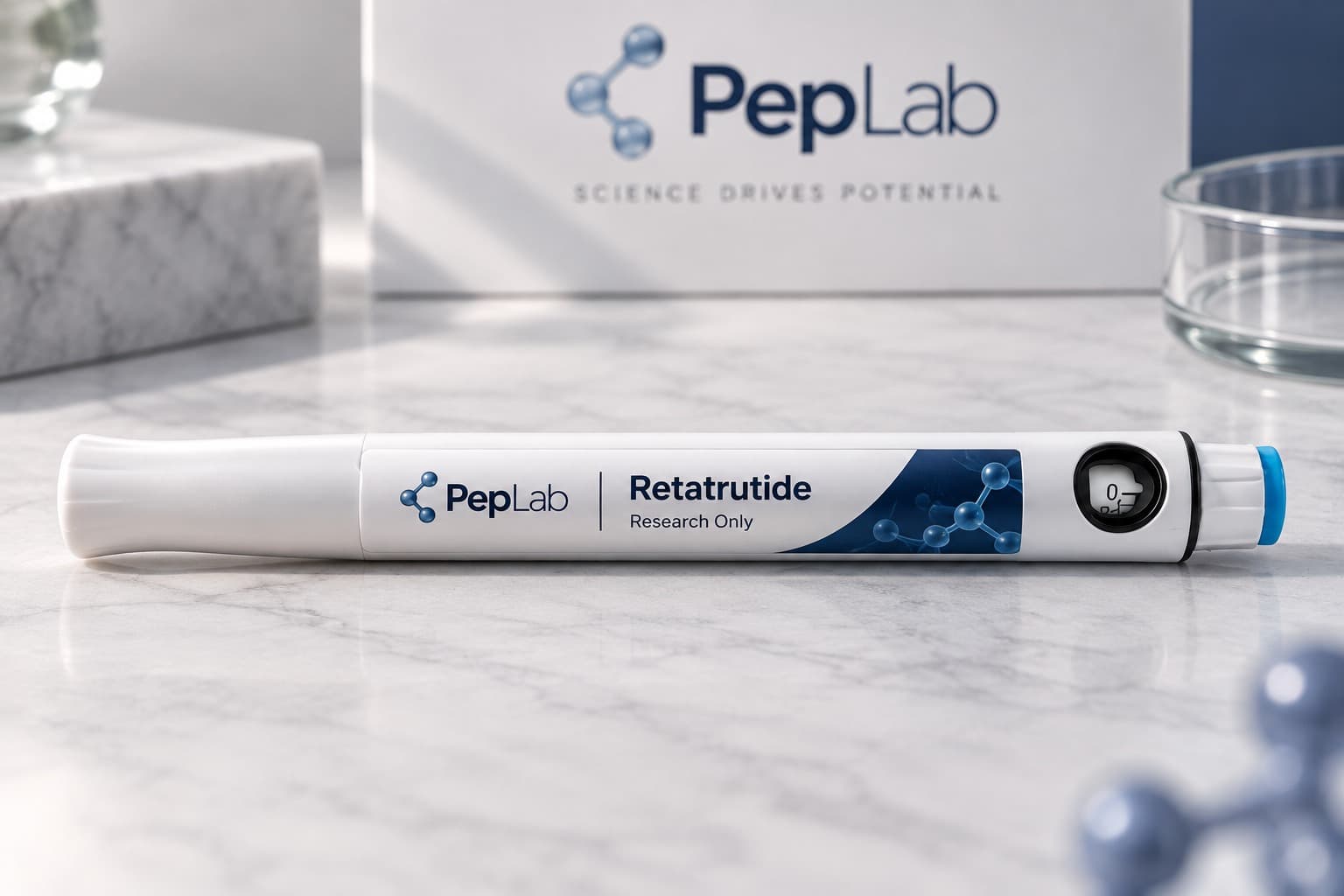
Retatrutide (Pen)
Retatrutide is a next-generation peptide used in laboratory protocols focused on appetite control, body weight, and energy metabolism. It acts through simultaneous interaction with several key receptors that regulate hunger, energy expenditure, and the body’s metabolic adaptation.
De la 699 RON
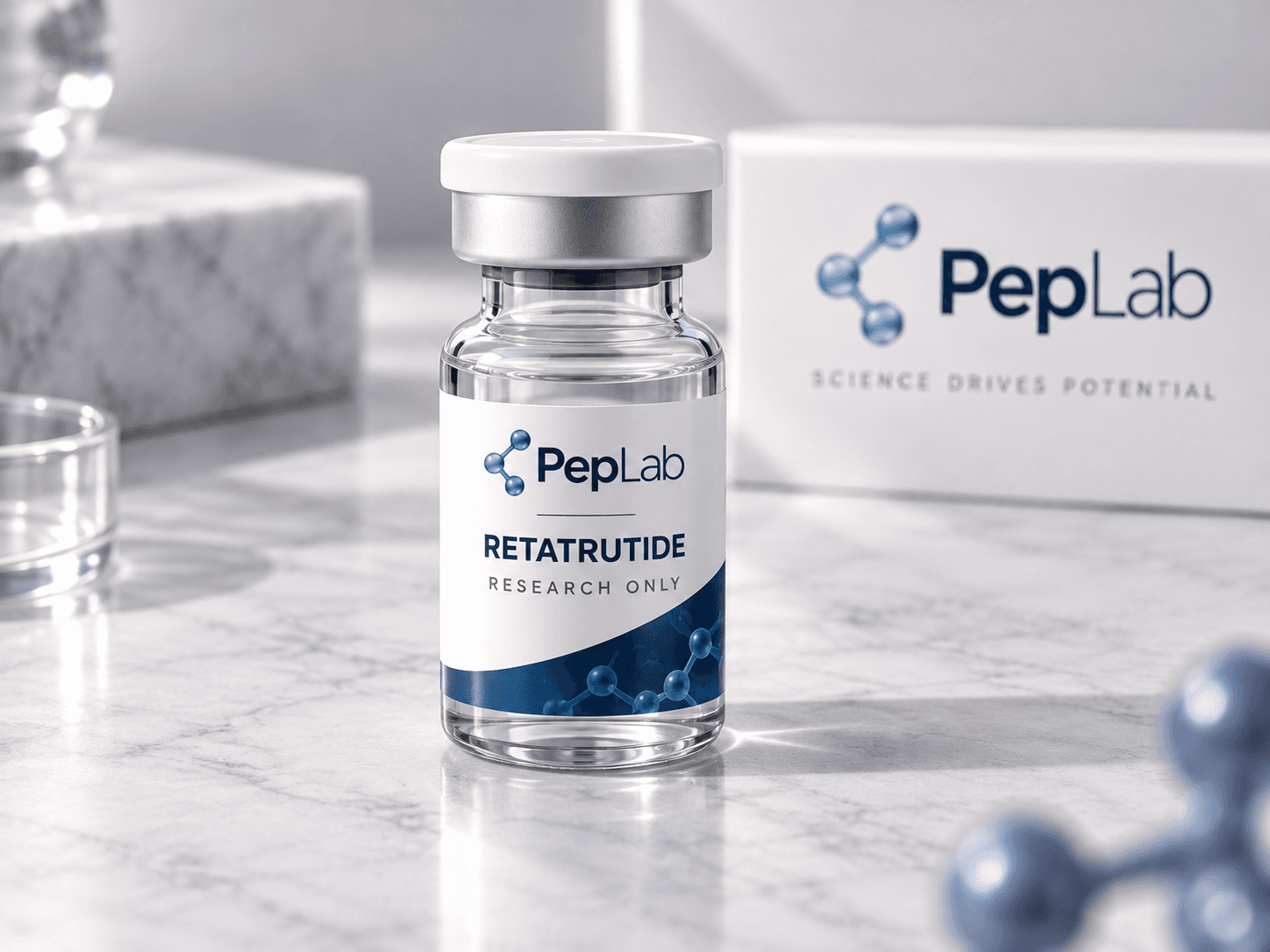 flaconStoc aproape epuizat
Retatrutide
Retatrutide is a next-generation peptide used in laboratory protocols focused on appetite control, body weight, and energy metabolism. It acts through simultaneous interaction with several key receptors that regulate hunger, energy expenditure, and the body’s metabolic adaptation.
De la 749 RON